Every high school in America has a tennis program. Most of them go through hundreds of balls a season. And almost none of them have a plan for what happens when those balls go dead.
That's where a BallBack chapter comes in. You don't need a budget. You don't need a club sponsor with a sustainability PhD. You just need a court, a bin, and a few people who are tired of watching perfectly recyclable rubber get thrown in the trash.
0
Dollars required to start
5
Steps to launch
10K+
Balls recycled by chapters

A BallBack chapter is basically a student-run recycling hub at your school. You put a collection bin by the tennis courts. Players and coaches toss dead balls in instead of the trash. Every few weeks, you box them up and ship them to our national recycling partner. That's it.
BallBack provides the playbook, the outreach scripts, and the shipping labels when your boxes are packed. You provide the enthusiasm and a pickup trip or two a month. It's not a massive time commitment. It's just a better system than the garbage can.
A chapter collects dead tennis balls from local courts, sorts the playable ones out for youth programs and shelters, and ships the rest to RecycleBalls. BallBack covers the playbook and shipping labels. You cover the hustle.
Find your court
Walk over to your school's tennis courts and look for the trash can. Chances are it's full of dead balls. That's your starting point. Take a photo, count roughly how many balls are getting tossed per week, and note where the best spot for a collection bin would be. Usually it's right next to the court entrance or by the benches where players rest between sets.
What to do:
Locate the courts and identify the trash situation
Count or estimate weekly ball disposal
Pick a high-traffic spot for the bin
Take a few photos for your pitch
Talk to the right people
You need two approvals: the tennis coach and someone from facilities or administration. The coach is easy. They already see the waste. Most are genuinely happy to have a student take initiative on something that isn't their job. The admin side is usually just a formality. Frame it as a student-led sustainability project. Schools love putting that in their newsletters.
If your school has an environmental club or sustainability council, bring them in early. They'll help with approvals and might even co-promote the program.

Set up your first bin
Once you have approval, set up your collection bin. Most leaders start with a free sturdy cardboard box, which doubles as the shipping box later, and tape on our printable BallBack bin label. Place the bin somewhere players can't miss it. Put up a small sign explaining what goes in and why it matters. The signage is more important than you think. Most people want to do the right thing; they just need to be told what the right thing is.
What to do:
Set up a sturdy box or plastic bin, kept out of the rain
Place it in the highest-traffic court area
Post the provided guidelines on a nearby fence or wall
Announce the program at a team practice or morning announcements
Spread the word
The first few weeks are about building habit. Remind players to use the bin. Post on your school's Instagram or newsletter. If your team has a GroupMe or Slack, drop a message before tournaments when ball usage spikes. The fastest way to get momentum is to tie it to something people already care about. For tennis players, that's the sport itself. Nobody wants to think about landfills. Everyone wants to feel like their program is doing something positive.
"The fastest way to get momentum is to tie recycling to something people already care about. Nobody wants to think about landfills. Everyone wants to feel like their program is doing something positive."
Ship the balls
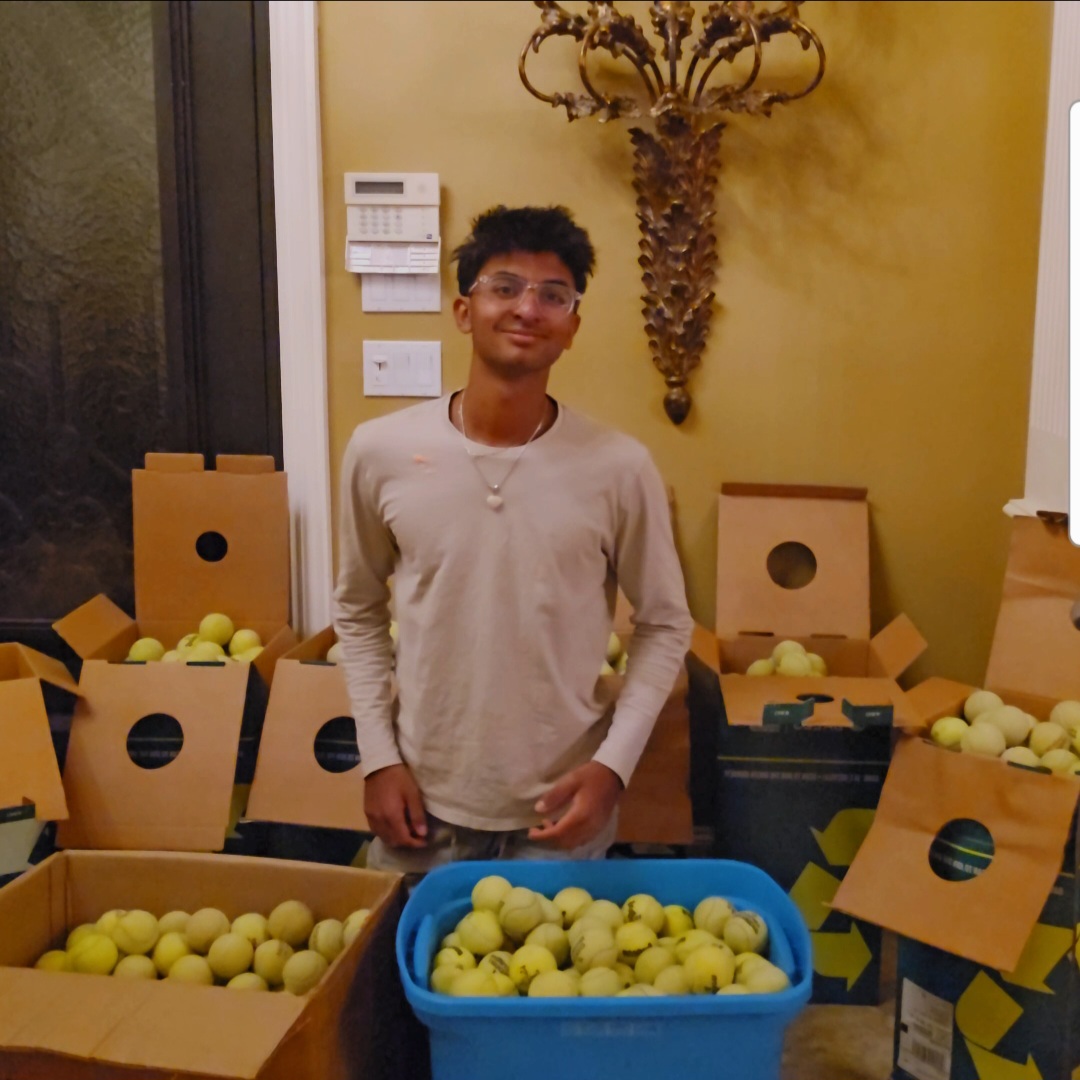
When your bin fills up, pack the balls into boxes, photograph them, and request a prepaid shipping label at ballback.org/labels. Labels arrive within two days. We coordinate pickup or drop-off with our recycling partners. The rubber gets processed into court surfaces, construction materials, and new products. Any balls that still have decent bounce get cleaned and donated to youth programs or animal shelters.
You'll get a monthly impact report showing how many balls your chapter diverted from landfills. That's the number you put in college apps, sustainability reports, and local news pitches.
~200
Balls per bin fill
400+
Years saved per ball
$60
Chapter credit unlocked
People always ask if they need funding, a faculty advisor, or some kind of nonprofit status. The answer is no, no, and no. You need a box, a place to put it, and a pickup trip or two a month. If you want to get fancy, you can design t-shirts or run an Instagram account. But the core program is genuinely that simple.
What you need vs. what you don't
You're not doing this alone. BallBack chapters plug into a national network of schools, clubs, and recycling partners. Our partnership with RecycleBalls handles the actual rubber processing. Together Tennis helps us redistribute playable balls to youth programs that can't afford new gear. And local facilities like Flower Mound High School, Bridlewood, and Fretz Tennis Center have been piloting collection systems we now share with every new chapter.
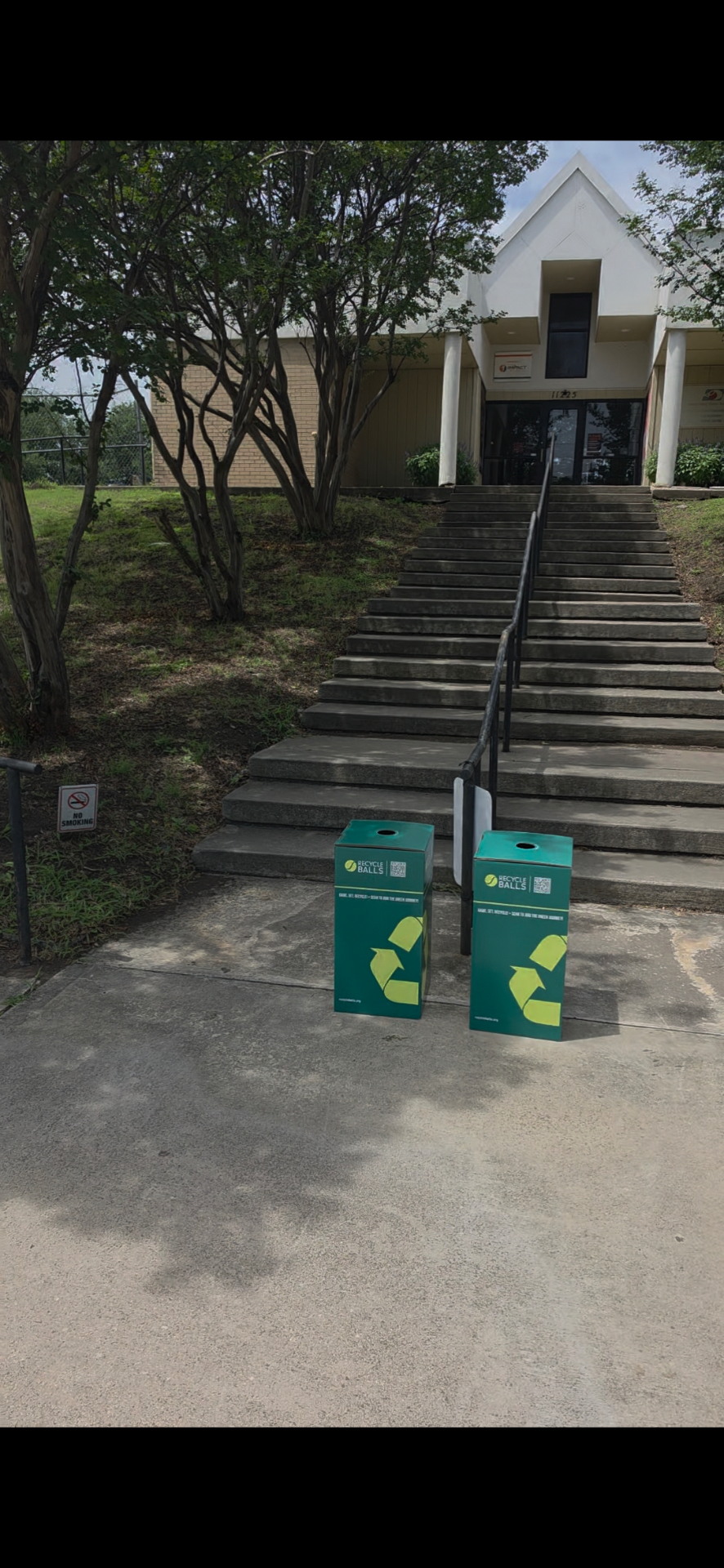
Starting a chapter isn't about becoming an environmental activist. It's about noticing a problem at your school and doing something concrete to fix it. One bin. One school. One less ball in a landfill. That's how movements actually start. Not with grand plans. With small, consistent action.
Your school already has the courts. You already have the players. All that's missing is the bin.